Californians are feeling higher costs everywhere — at the grocery store, at the gas pump, and now in their car insurance bills. According to a CBS–KCAL On Your Side investigation, auto insurance rates in California have surged by as much as 20%, with more increases likely on the way. For Los Angeles drivers, the average annual premium now exceeds $2,500, and it could climb even higher before the year ends.
What’s behind this sharp increase? Experts say it’s not a single cause but a convergence of economic pressure, driving behavior, and regulatory delays that has been building for years. As insurance agent and radio host Karl Susman explained, “You can look at this like a crock pot — all of these things have been stuffed in for the last three or four years, and the pressure has gotten to the point where it’s starting to explode.”
The Perfect Storm of Rising Auto Insurance Costs
The primary driver of rising auto insurance rates is simple economics. Cars are far more expensive to buy, repair, and replace than they were just a few years ago. During and after the pandemic, vehicle prices surged due to supply chain disruptions, microchip shortages, and inflation in both materials and labor. Even now, average repair costs remain in double-digit increases compared to pre-pandemic levels.
At the same time, accident frequency has climbed as Californians returned to the road. With congestion back to pre-2020 levels — and in some cases worse driving habits — insurers are paying more for both collision and liability claims.
As Susman summed it up, “It’s either the carriers are leaving because they’re losing money, or the Department of Insurance has to start allowing them to raise rates.”
California’s Regulatory Lag Under Proposition 103
California’s insurance market operates under Proposition 103, a law passed in 1988 that requires insurers to receive approval from the Department of Insurance before implementing rate changes. While the law was designed to protect consumers, it also created a significant time lag between economic reality and regulatory response.
Insurers must submit detailed documentation to justify rate increases, and approvals can take months or even years. During that delay, carriers are stuck charging rates based on outdated data while their costs continue to rise. Over time, this mismatch has forced insurers to absorb losses — until adjustments finally become unavoidable.
The “Whiplash Effect” of Delayed Rate Increases
Susman describes today’s steep increases as a “whiplash effect.” For several years, insurers absorbed rising costs while waiting for regulatory relief. When inflation and repair expenses failed to level off, the imbalance grew unsustainable.
Now that approvals are finally being granted, the increases appear large because they reflect years of pent-up cost pressure. In other words, today’s 15%–20% hikes are not just for the current year — they represent multiple years of delayed adjustments hitting all at once.
Consumer Advocates Challenge the Increases
Not everyone agrees that the current rate hikes are fully justified. Amy Bach, Executive Director of United Policyholders, acknowledges that costs have risen but maintains that insurers are still making money in California.
“They’re making money in California,” Bach said. “This is a business strategy, and hopefully the Department of Insurance will hold the line.”
This highlights the central tension in California’s insurance market: insurers argue that sustainability requires higher rates, while consumer advocates focus on affordability and protection from sudden price shocks. Both positions reflect real concerns within the same strained system.
What a ‘Hard Market’ Means for Drivers
The industry term for today’s conditions is a “hard market.” In a hard market, insurers tighten underwriting, reduce competition, and raise premiums to recover from past losses. It is the opposite of a “soft market,” when carriers compete aggressively by lowering rates.
“We’ve been in a hard market,” Susman explained. “It’s a seller’s market — insurers are competing less and charging more.”
The good news is that hard markets are cyclical. When profitability returns and carriers re-enter the market, competition typically pushes rates back down again.
How California Drivers Can Reduce Their Insurance Costs
While consumers can’t control inflation or regulation, there are still practical steps drivers can take to manage rising premiums:
- Raise your deductible if you can afford higher out-of-pocket costs after an accident.
- Take a defensive driving course, which may qualify you for a 5%–10% discount.
- Bundle policies such as auto and home or renters insurance for multi-policy savings.
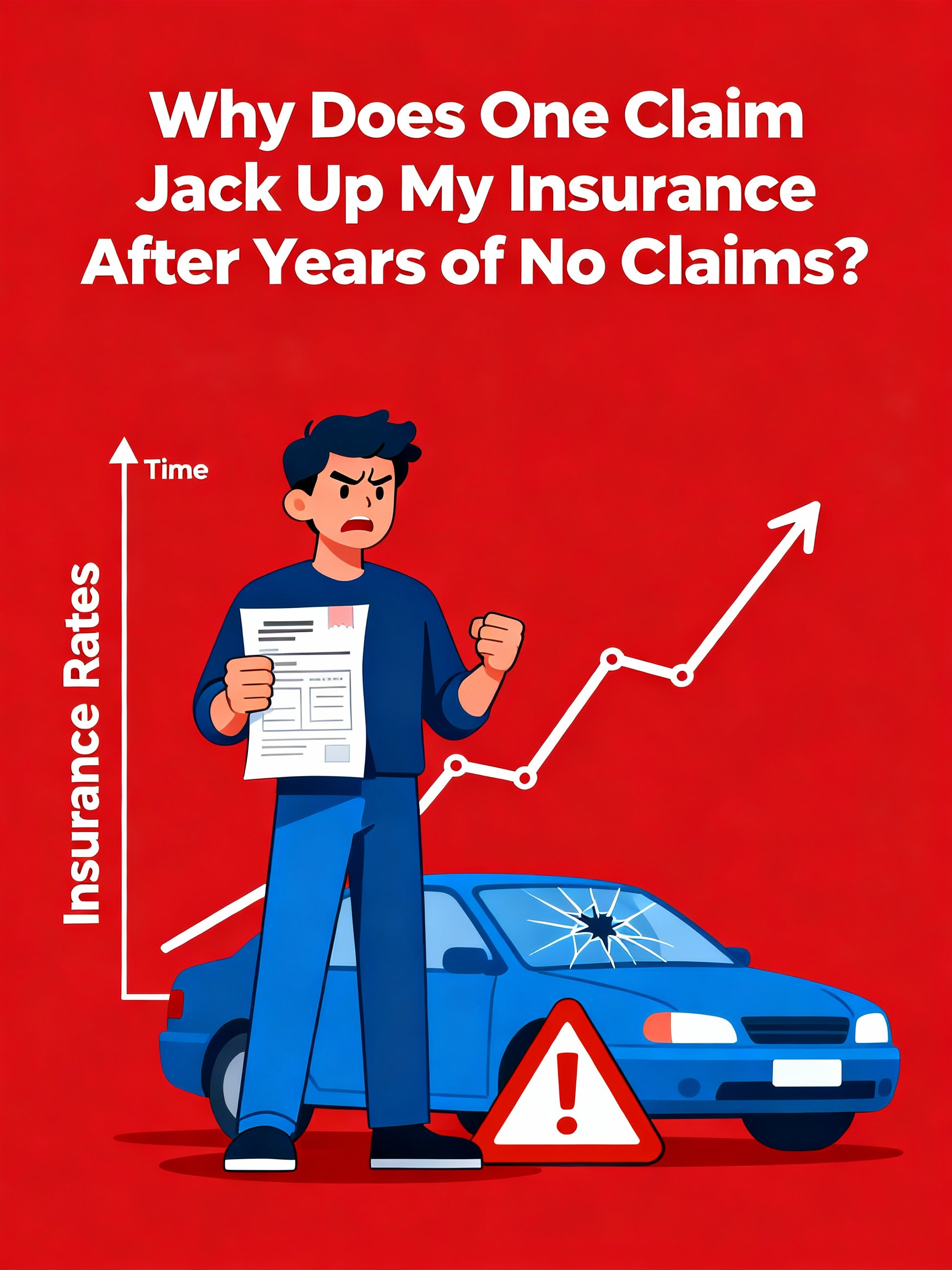
- Avoid lapses in coverage at all costs. Even a short lapse can place you in a higher risk tier and significantly raise your future premiums.
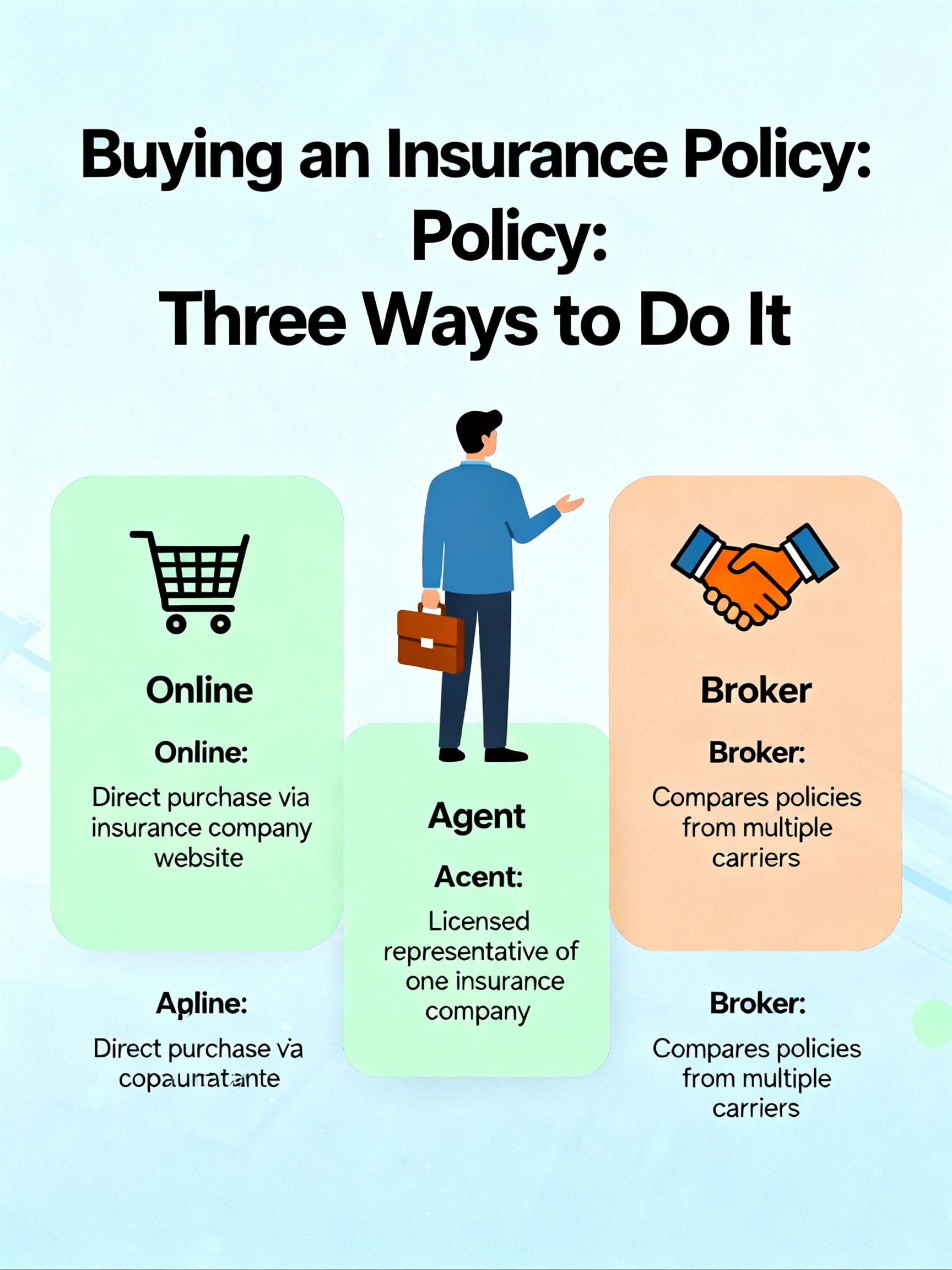
- Shop around, especially with an independent broker who can compare multiple carriers.
As Susman warned, “If you let your policy lapse, they’re not just going to pick back up your coverage at the same rate. You’ll pay more.”
What to Expect in the Year Ahead
Both Susman and Bach believe that while the next 12 months may bring continued increases, the market is likely to rebalance over the next few years. As rates rise and insurers regain profitability, competition should gradually return. When that happens, downward pressure on premiums typically follows.
“When competition comes back,” Susman noted, “we’ll start seeing rates fall again.”
How Auto Insurance Mirrors the Home Insurance Crisis
The turmoil in auto insurance closely mirrors California’s homeowners insurance crisis. Both markets are governed by Proposition 103, and both have faced reduced participation from major carriers. In each case, costs and risks have evolved faster than regulatory systems were designed to accommodate.
Until the Department of Insurance modernizes how rates are evaluated and approved — including the use of forward-looking data — both auto and property insurance markets will continue to experience pressure.
Final Thoughts: A Market Reset in Progress
California’s auto insurance market is not collapsing, but it is undergoing a fundamental reset. For drivers, that means short-term pain in the form of higher premiums and tighter availability. Long-term, however, a more balanced and competitive market is expected to return.
Susman’s “crock pot” analogy captures the situation clearly: these pressures have been building for years, and they are now finally boiling over.
Understanding what’s driving today’s rate increases is the first step toward adapting — and protecting your finances — in California’s changing insurance landscape.